
Set up a DVR, ou stand-alone, to be accessed remotely is no big deal, but for those who have no experience below follows a step by step tutorial on how to set up your stand-alone to view your cameras from anywhere that has internet access.
1º Step: Check the information of your network
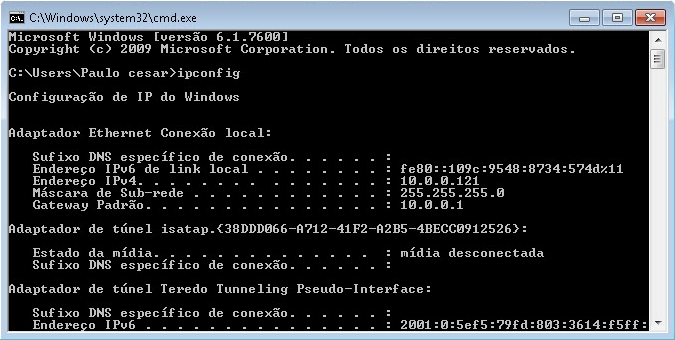
click in Start > run > type it CMD e de enter.
No Command prompt which opened type ipconfig e de enter.
Record the following information for later use:
- Subnet Mask
- default Gateway
2º Step: Configurar o stand-alone (internal and external access)
As there are several models the way to configure each DVR may vary, but the premise is the same.
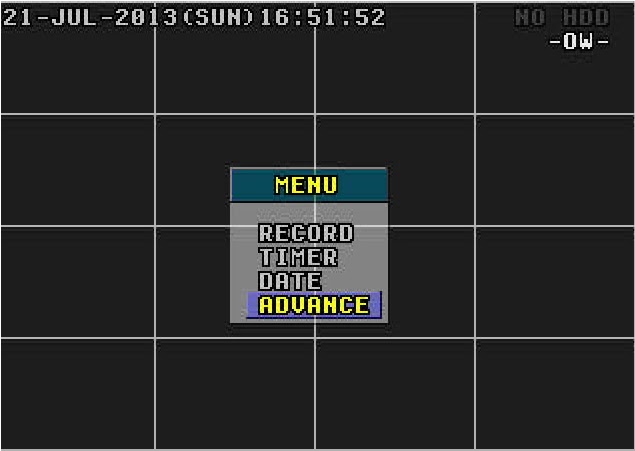
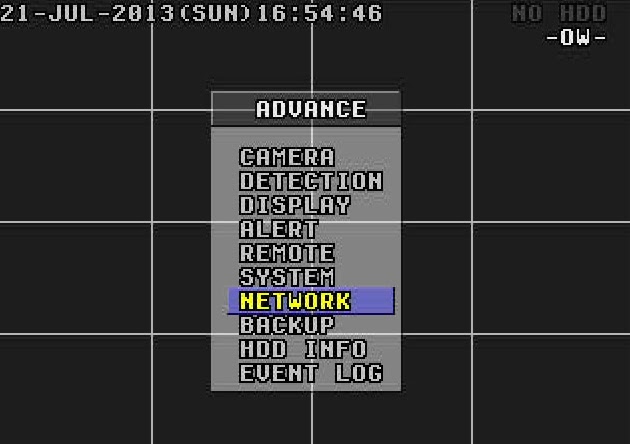
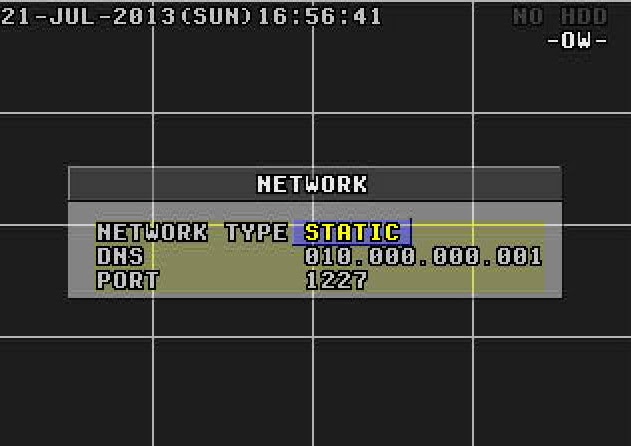
Menu > Advance > Network
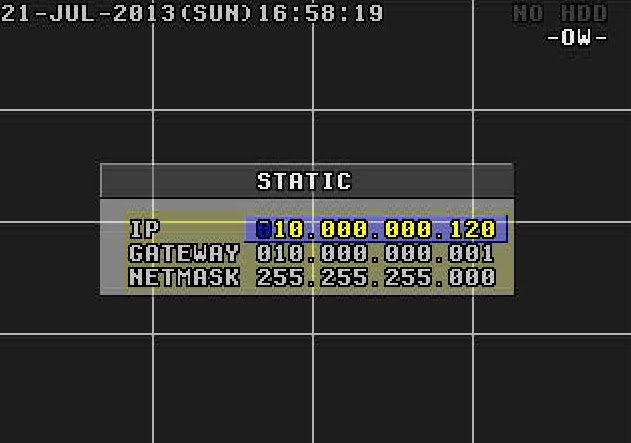
In Network Type, of O.k in Static and put the information picked up from the computer.
IP: You prefer. ( Example: 10.0.0.120)
Gateway: 10.0.0.1
Netmask: 255.255.255.0
Go back to the Menu Network.
DNS: 10.0.0.1 (the same gateway)
Port: It is the gateway to access your DVR. In this example I'll use port 1227, but you can use the number of your choice.
Obs.: If what you want is internal access, that you can view the cameras from any computer or device that is connected to your internal network, already done you don't need to configure anything else. To view the cameras simply enter your internet browser and enter the following address: http://ip-stand-alone:door (Ex: http://192.168.0.120:1227)
3º Step: Fix external IP
In almost all internet services available, our external IP is not fixed, and yes dynamic, ie every time your router is turned off or disconnected the next made it to connect with your Internet service will be with a different IP. Then this problem, to access the stand-alone we need to know the external IP current network it is connected, since it is not feasible to go to the place where the stand-alone is physically to check the IP address every time the router is turned off we will use a service that updates the IP automatically.
The two most commonly used are the No-IP e o DynDNS, both are paid but the No-IP has the ability to upgrade for free up to three IP addresses per account, for this reason I will use the No-IP for demonstration, but in both the configuration is basically the same.
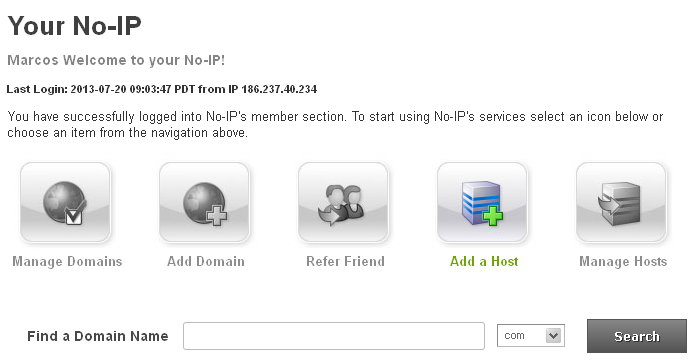
First create an account at No-IP, after that enter the account created and click “Add Host”.
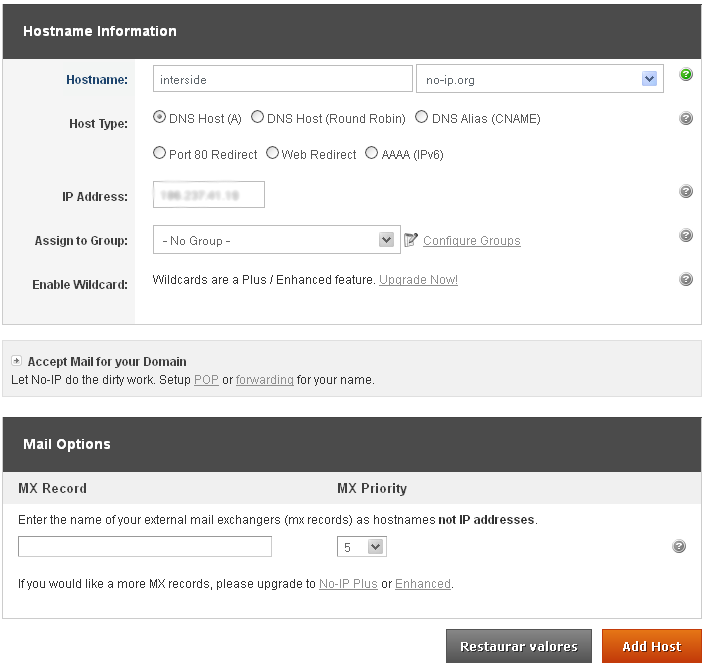
On the next page choose “Hostname” I had used to access your DVR, do not change anything and click “Add Host” at the bottom.
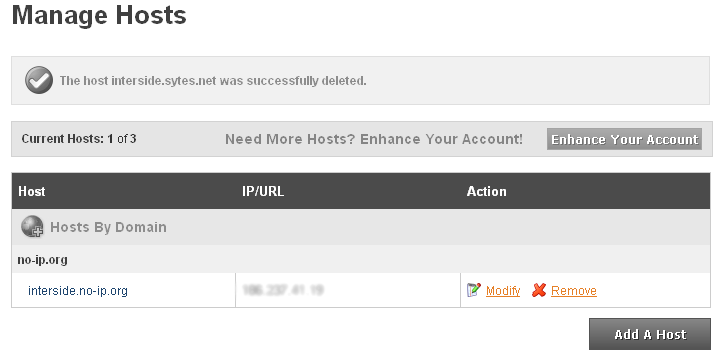
ready your hostname it is created.
4º Step: Configure the router:
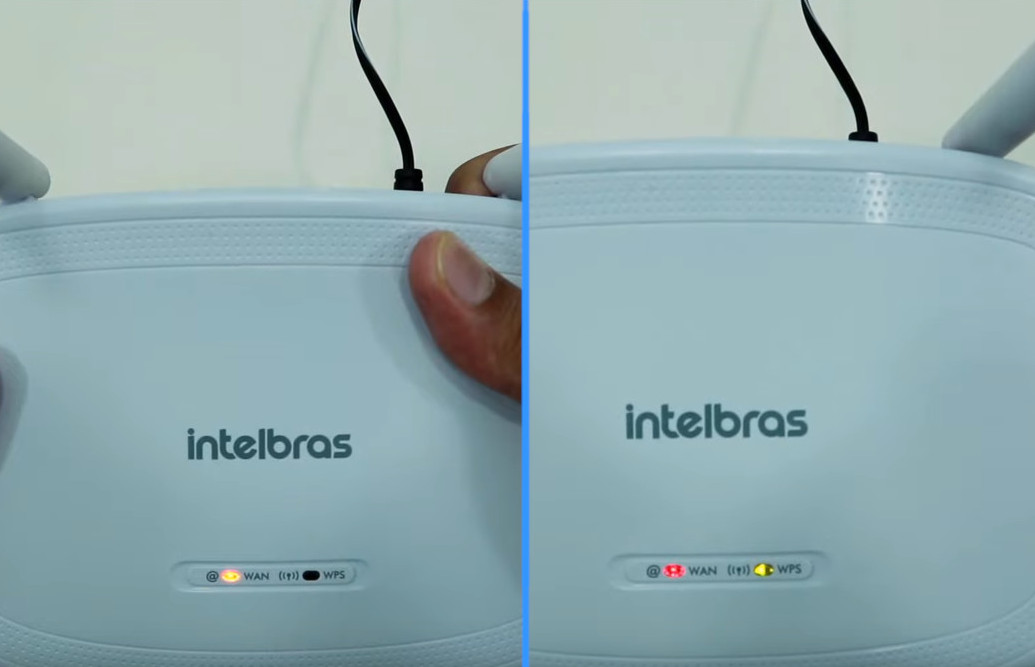
Now what we do is to set the IP and the stand-alone door. The router I'm using in this tutorial is the “WRN 240” gives Intelbras, but the configuration is basically the same for any router.
First you go redirection > Virtual server > Add
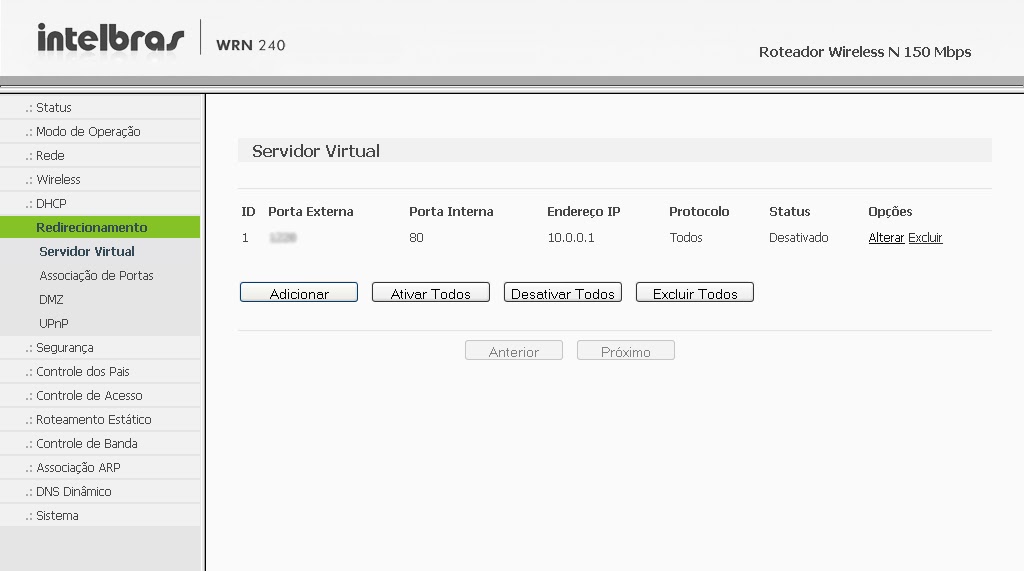
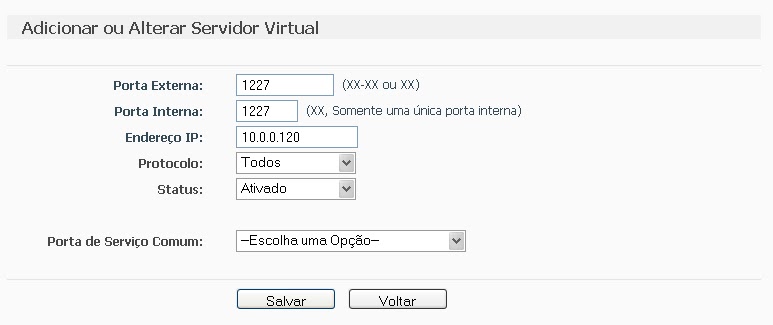
Place the information of the DVR and click save.
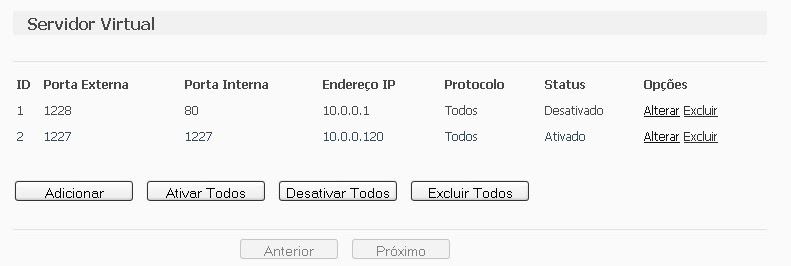
after saving, the port and IP that you set will look like this:
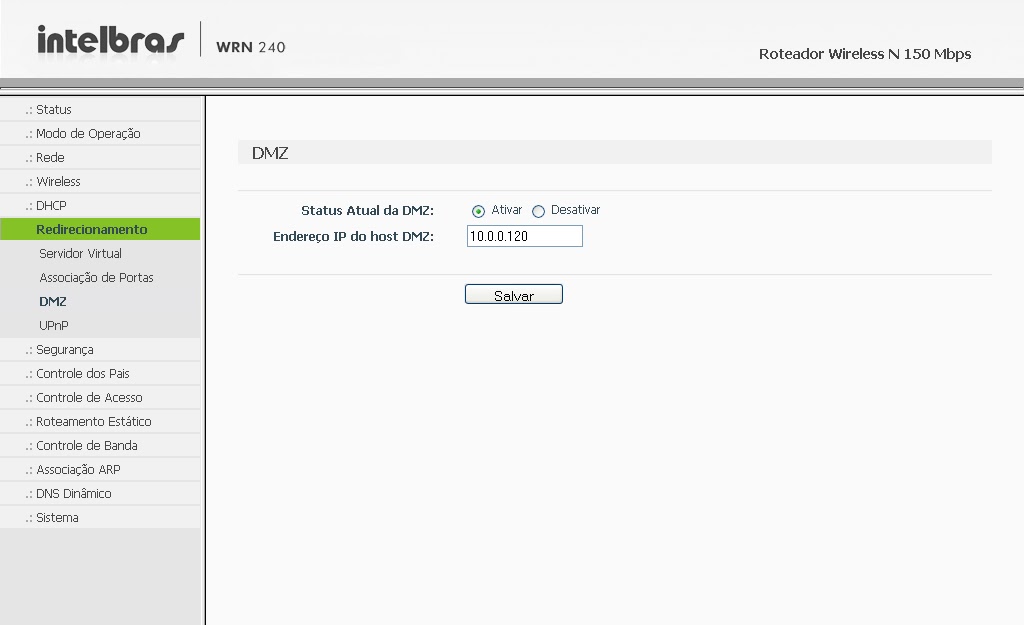
 Some people prefer to make the release of the DMZ ports, as it will be shown abaixo, but by enabling DMZ on your modem or router, you will be compromising the security of your device. Always release the doors manually, as shown above..
Computer security, a DMZ or demilitarized zone (demilitarized zone or DMZ), also known as perimeter network, is a physical or logical subnet that contains and exposes an organization's external border services to a larger, untrusted network, usually internet. Any devices located in this area, this is, between the trusted network (usually the local private network) and the untrusted network (usually the Internet), is in the demilitarized zone.
redirection > DMZ > Select enable, enter the IP of the DVR and save.
The next step is to configure the router to automatically update your network's IP in your NO-IP account.
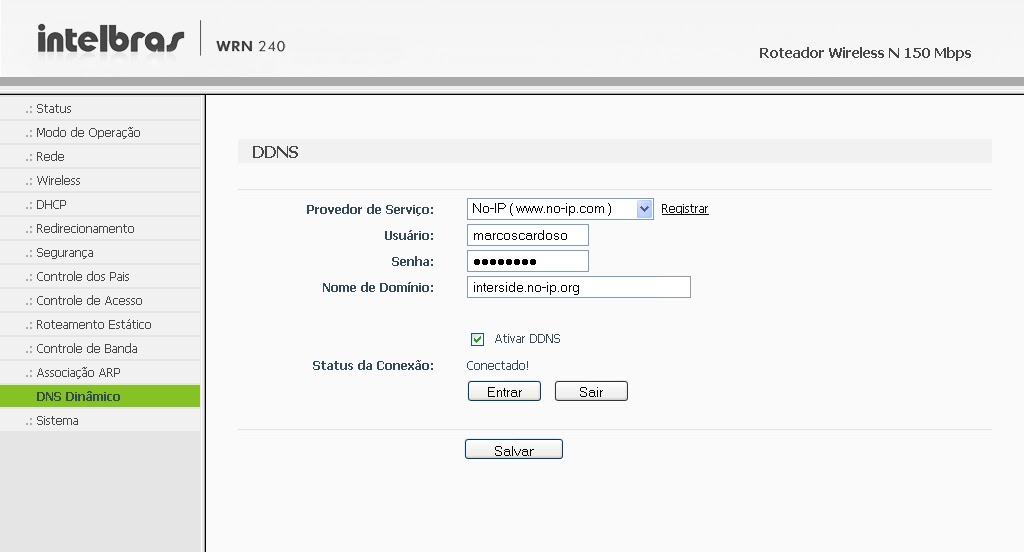
Go to Dynamic DNS, enter your account information and the hostname/domain you created, click enter. After the “Connection Status” is like “Connected!” click save.
It is, Now you can view your cameras from anywhere in the world.
If you have questions or suggestions leave us comments.



321 Comments
FERNANDO, o "app" which you will use depends a lot on your DVR, Not all programs work on all DVRs. Each manufacturer/model has a specific app.
Try one of these to see if it works on your device.:
* EagleEyes(Lite+)
* MEye
* iVMS 4500
* IP Cam Viewer Lite
Hussein Wenni, yes dyndns is paid but you can use no-ip which is free for now.
Have you already configured the router??
What should I do in tp link rotator settings ? I use a tplink signal repeater too or no – ip is still free to access?
Good afternoon MA Cardoso,
What APP do you recommend so I can view the images via smartphone?(android, windows e apple)
Hello, I have a problem that I cannot transfer my cameras to another network, I don't know why I have to make an account on Dyndns and pay ?? How much will I pay for external access?? ? Help me please. ..
FERNANDO, I'm glad you made it.
As for your doubt, some devices only allow the user "admin" be used one access at a time. For example: If you are accessing the cameras on a PC, Before accessing the cameras on another PC you will have to close access on the first PC. Take a look at the equipment's user settings.
And also take a look at the browser version of both computers, some DVRs do not work in Internet Explorer version 8 up.
Amen MA Cardoso….I finally got it. THANK YOU VERY MUCH for all the help you gave me. I can see it on my computer on another network.
I tried to see it on another computer on the same network that I'm seeing on mine, but in this other one it is not accessing, When the WEB CLIENT screen opens, I cannot log in….Even though I put it exactly like I put it on mine, it doesn't accept it.….It's just the user I put: Admin….I didn't register a password. Do you have any idea if I should activate something so other computers can have access besides mine??
Man I think I finally got it" however, when entering my host and port, I am asked for a login and password…….I have no idea what that password is. I tried the password I use in DYNDNS but I couldn't.. Do you have any idea what password this is??
FERNANDO, I really made a mistake when writing.
"To remotely access the internal network you will use the IP":" and at the door. Preferably use "http://" before IP. For example:
http://192.168.1.20:1227
For remote network access externa you will use the host you registered with Dyndns. For example:
http://hostname.dyndns.org:1227"
After you have verified that the ports are open, you tried to access the cameras from an external network?
Thank you MQ Cardoso for your help, but so far nothing has been done. I tested the doors as you said and everything is ok., both open with both the IP that is registered with my host and with my host, the settings on the modem are all ok, everything working, internal access with the IP of my DVr is ok, working perfect. When you say external IP, Do you mean the connection IP that changes every time I connect to the internet?? In your last explanation, you were a little confused regarding access.. Twice you reported remote access on the internal network as shown below:
""To remotely access the internal network you will use the IP":" and at the door. Preferably use "http://" before IP. For example:
http://192.168.1.20:1227
For remote access on the internal network, you will use the host you registered with Dyndns. For example:
http://hostname.dyndns.org:1227 – THIS WAY I CANNOT ACCESS.
To access the network where the equipment is installed, you will use the IP, because it is the internal network. Often using the host on the internal network does not work. – THIS INFORMATION IS THE SAME INTERNAL ACCESS TO WHICH I AM ALREADY GETTING???""
My biggest problem is with external access.. To gain this access, I will have to use a password or just enter IP: with http port or hotname:porta http?
Sorry for the questions and doubts.
FERNANDO, in the DMZ field, leave it enabled and enter the DVR IP. In UPnP nothing changes. In the DDNS field, enter your Dyndns information.
To remotely access the internal network you will use the IP ":" and at the door. Preferably use "http://" before IP. For example:
http://192.168.1.20:1227
For remote access on the internal network, you will use the host you registered with Dyndns. For example:
http://hostname.dyndns.org:1227
To access the network where the equipment is installed, you will use the IP, because it is the internal network. Often using the host on the internal network does not work.
So, to check if external access is working, you will have to test it on another network..
First test the ports to see if they are open (http://ping.eu/port-chk/) using your external IP, then test using the host. If the ports are open, try accessing the channels on another network, external network.